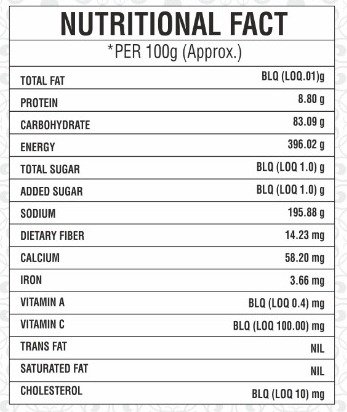
Makhana (fox nuts) is a low-fat and nutritious snack. It Is Rich In Protein, Fiber, Calcium, Magnesium And Antioxidants. Whether you are looking to manage weight, snack healthy, or improve your daily nutrition, understanding makhana nutrition facts will help you make informed food choices.
In this guide, you will learn all about the inclusion of calories, protein, carbohydrates, minerals, health benefits, possible side effects, and the best way to include Makhana in your daily diet.
What Is Makhana, And Why Is It Known As A Healthy Snack?
Makhana, or fox nuts, or lotus seeds, are edible seeds from the Euryale ferox plant. It is native to ponds and wetlands and has been used in Indian cuisine and Ayurveda for centuries. Makhana, with its light and crunchy texture and mild flavour, has become a popular healthy snack enjoyed by people of all ages.
Makhana Nutrition Facts (Per 100 g)
|
Nutrient |
Approximate Amount |
|
Calories |
347 Kcal |
|
Protein |
9.7 g |
|
Carbohydrates |
76.9 g |
|
Dietary Fiber |
14.5 g |
|
Fat |
0.1 g |
|
Calcium |
60 mg |
|
Iron |
1.4 mg |
|
Magnesium |
67 mg |
|
Phosphorus |
200 mg |
|
Potassium |
500 mg |
Note: Nutritional values may vary slightly depending on the brand and processing method.
This article is based on nutritional information from standard food composition databases and scientific references. Nutrition values may vary slightly depending on the brand and preparation method.
How to Eat Makhana
Makhana is a healthy and versatile snack that can be eaten in many ways. Here are some of the best ways to add it to your daily diet:
Dry Roasted: You can roast makhana without oil or with a little ghee to make a light and crunchy snack.
Makhana Flavored: Black pepper, turmeric, chaat masala or herbs can be added for extra flavor through spices.
Makhana Kheer: Add makhana to a traditional Indian dessert made from milk, dry fruits, and a natural sweetener.
Trail Mix: Combine roasted makhana with almonds, walnuts, pumpkin seeds and raisins for a healthy snack.
Evening Snack: A bowl of roasted makhana with green tea or herbal tea a healthier alternative to fried snacks.
Makhana vs Other Popular Snacks (Per 100 g)
|
Nutrient |
Makhana (Fox Nuts) |
Almonds |
Popcorn (Air-Popped) |
Potato Chips |
|
Calories |
347 kcal |
579 kcal |
387 kcal |
536 kcal |
|
Protein |
9.7 g |
21.2 g |
12.9 g |
7.0 g |
|
Carbohydrates |
76.9 g |
21.6 g |
78.0 g |
53.0 g |
|
Dietary Fiber |
14.5 g |
12.5 g |
15.1 g |
4.8 g |
|
Total Fat |
0.1 g |
49.9 g |
4.5 g |
34.0 g |
|
Calcium |
60 mg |
269 mg |
7 mg |
24 mg |
|
Iron |
1.4 mg |
3.7 mg |
3.2 mg |
1.3 mg |
|
Magnesium |
67 mg |
270 mg |
144 mg |
65 mg |
|
Potassium |
500 mg |
733 mg |
329 mg |
1,275 mg |
Calories in Fox nuts
Makhana contains about 347 calories in 100 grams. But a typical serving of roasted makhana (25-30 grams) has about 85-105 calories, making it a filling and nutritious snack. If you're watching your calorie intake, don't add too much butter, oil, or sugar.
Makhana Protein Content
Protein is essential for muscle repair, muscle growth and overall body function. Makhana contains about 9.7 grams of protein per 100 grams. It might not be as high in protein as some other foods, such as soybeans or lentils, but it can still add to your daily protein needs when eaten as part of a balanced diet.
Makhana is a good source of many important minerals such as:
Calcium – Helps keep bones and teeth healthy.
Magnesium - Aids in muscle and nerve function.
Phosphorus – Needed for strong bones and energy production.
Potassium – Helps maintain normal heart and muscle function.
Iron – Transports oxygen all over the body.
These nutrients make makhana a healthy addition to balanced diet.
Health Benefits of Makhana
1. Supports Healthy Weight Management: Fibre & Carbohydrates
Makhana is packed with complex carbohydrates that help to provide continuous energy supply for the entire day. It also contains dietary fibre which helps to keep digestion healthy, promotes a feeling of fullness and may help with weight management.
Vitamins and Minerals in Makhana
2. Offers Steady Energy All day.
Makhana is rich in complex carbohydrates, which are digested slower than simple sugars. It gives a steady release of energy instead of a quick spike and crash. Whether you are a student preparing for exams, a working professional or someone looking for a light pre-workout snack, makhana can be a convenient and nutritious option.
3. Helps in Keeping Bones Strong
Makhana is loaded with important minerals like calcium and phosphorus which play a crucial role in keeping your bones and teeth healthy. Including foods that contain minerals like makhana in your diet can help to support your long-term bone health and help you meet your daily nutritional needs.
4. A Naturally Gluten-Free and Healthy Snack
If you're on a gluten-free diet or just looking for a healthier snack option instead of fried treats, makhana is a fantastic choice. It's naturally gluten-free, light, and incredibly versatile, making it a great fit for various dietary needs. Roasted makhana, sprinkled with herbs or mild spices, can be a delicious and nutritious snack any time of the day.
5. Rich in Antioxidants
Makhana is packed with natural antioxidants that help shield your body's cells from oxidative stress caused by free radicals. These antioxidants play a crucial role in a balanced diet, supporting overall health and helping your body maintain normal cellular function. By adding antioxidant-rich foods like makhana to your meals, you can enhance your diet and keep it diverse and nutritious.
Are There Any Side Effects?
For most people, makhana is safe to enjoy in moderation. However, keep in mind that:
- Eating too much can lead to a higher calorie intake.
- Flavoured versions might have added salt, sugar, or unhealthy fats.
- If you have specific food allergies or medical conditions, it's wise to check with a healthcare professional if you're unsure.
Makhana is a tasty treat for the following:
- Students on the hunt for a healthy snack
- Busy professionals needing a quick bite
- Fitness lovers looking for nutritious fuel
- Older adults wanting a wholesome option
- Anyone seeking a healthier alternative to fried snacks
Frequently Asked Questions (FAQs)
Can I eat makhana for weight loss?
Makhana is quite filling and low in fat, so can be included in a weight management diet. Still, portion size is important.
Is makhana rich in protein?
However, makhana is not a high protein food compared to legumes or soy products and it does have a moderate amount of protein.
Sure, you can have makhana every day.
Yes, most people can include makhana in their daily diet, as part of a balanced diet, if they eat in proper portions.
How much makhana should we eat in a day?
As for a snack, a portion of 25-30 grams of roasted makhana is a reasonable serving for many adults, but this varies from person to person.